

When you’re handling estate administration after losing a loved one, you’ll quickly discover that not all copies of legal documents are created equal.
In New York, probate and estate administration proceedings are handled in the New York Surrogate’s Court in the county where the decedent resided. Certified copies of court-issued documents must be obtained directly from that court.
Banks, courts, and government agencies frequently request “certified copies” of death certificates, wills, and court orders. Understanding the difference between certified copies and regular photocopies can save you time, frustration, and unnecessary trips back to the office when important transactions are delayed.
What Makes a Certified Copy Different?
A certified copy is an official reproduction of an original document that’s been verified by an authorized party, such as a court clerk, vital records office, or notary public. These copies are printed on special security paper and include a raised or embossed seal along with a signed statement confirming the copy’s authenticity. The certification process creates a legal presumption that the document is genuine and unaltered.
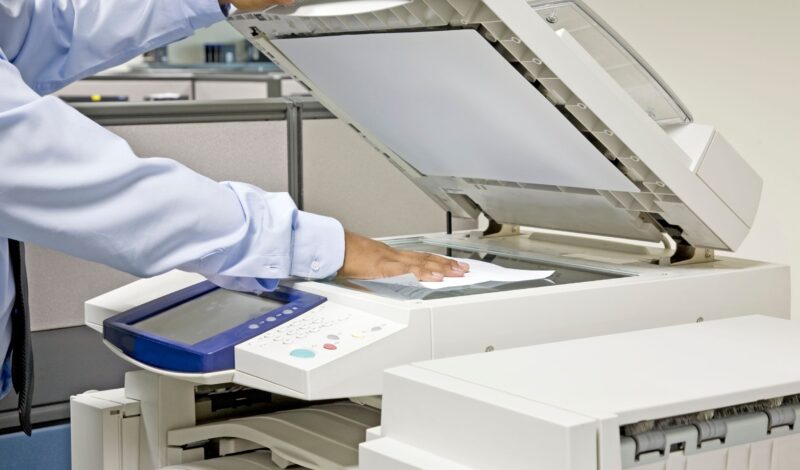
A regular photocopy, on the other hand, is simply a reproduction you can make at home or at any copy center. While photocopies work fine for your personal records or sharing information informally, they carry no legal weight when you need to prove the authenticity of important documents.
When Do You Need Certified Copies During Estate Administration?
Estate administration involves numerous transactions that require certified copies. Banks require certified copies of death certificates before they’ll release account information or transfer funds to beneficiaries. The Social Security Administration needs certified death certificates to stop benefits and process survivor claims. When transferring real estate, title companies demand certified copies of wills and court orders before they’ll prepare new deeds.
Insurance companies typically require certified copies of both death certificates and beneficiary documents before paying out life insurance proceeds. Even seemingly simple tasks, such as closing utility accounts or transferring vehicle titles, often require certified documentation.
How Many Certified Copies Should You Order?
Most New York estate administration lawyers recommend ordering multiple certified copies of essential documents upfront. For death certificates, plan on needing at least one copy for each bank account, insurance policy, retirement account, and major asset. It’s usually more cost-effective to order extra copies initially rather than requesting them individually as needs arise.
Court documents like Letters of Administration or Letters Testamentary should also be ordered in multiples, as you’ll need separate copies for different institutions, and they cannot always be returned to you.
In New York, executors receive “Letters Testamentary,” while administrators receive “Letters of Administration.” These documents are issued by the Surrogate’s Court and must be provided in certified form when collecting assets or transferring property.
Certified Letters Testamentary and Letters of Administration are often issued shortly after appointment, but obtaining additional certified copies later may require a separate request and fee through the Surrogate’s Court clerk’s office.
Where Can You Obtain Certified Copies?
Death certificates come from the vital records office in the state where the person died. In New York State, death certificates are issued by the Department of Health. If the death occurred in New York City, certified copies are obtained through the NYC Department of Health and Mental Hygiene. For deaths outside the five boroughs, they are requested from the New York State Department of Health or the local registrar.
Wills and probate court orders are certified by the clerk of the court that’s handling the estate. Some documents, such as old birth or marriage certificates, may need to be requested from the state or county where the original event occurred.
Can Regular Photocopies Ever Be Used?
While certified copies are required for most official business, regular photocopies serve important purposes in estate administration. Keep photocopies for your own files, share them with family members who need information, and use them when corresponding with attorneys or advisors who are helping with the estate.
Avoiding Common Mistakes
In New York, a notarized photocopy is not the same as a court-certified copy. A notary verifies a signature—not the authenticity of the underlying document. Also, be aware that some institutions may accept “exemplified” copies, which carry an additional level of certification, for certain complex transactions.
In certain situations—such as selling property in another state—New York courts may issue an “exemplified copy” (sometimes called a triple-certified copy) of probate documents for use outside New York.
Get Professional Guidance
Navigating document requirements during estate administration can feel overwhelming when you’re already dealing with grief. Our estate administration team can help you understand exactly which certified copies you’ll need and guide you through the process efficiently.
Contact us today to discuss how we can support you at every step of estate administration, ensuring you have the right documentation to properly handle your loved one’s affairs.

